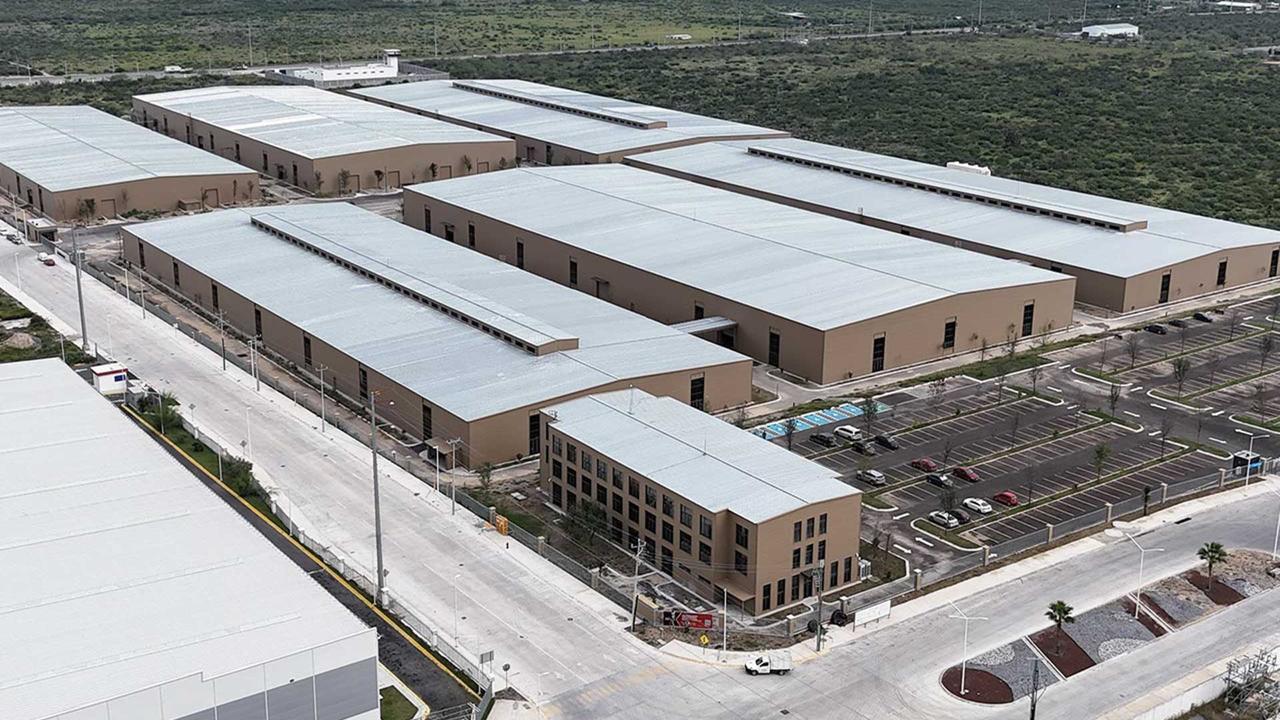
Concrete floors for industrial buildings: keys to ensuring quality and performance
November 10, 2026
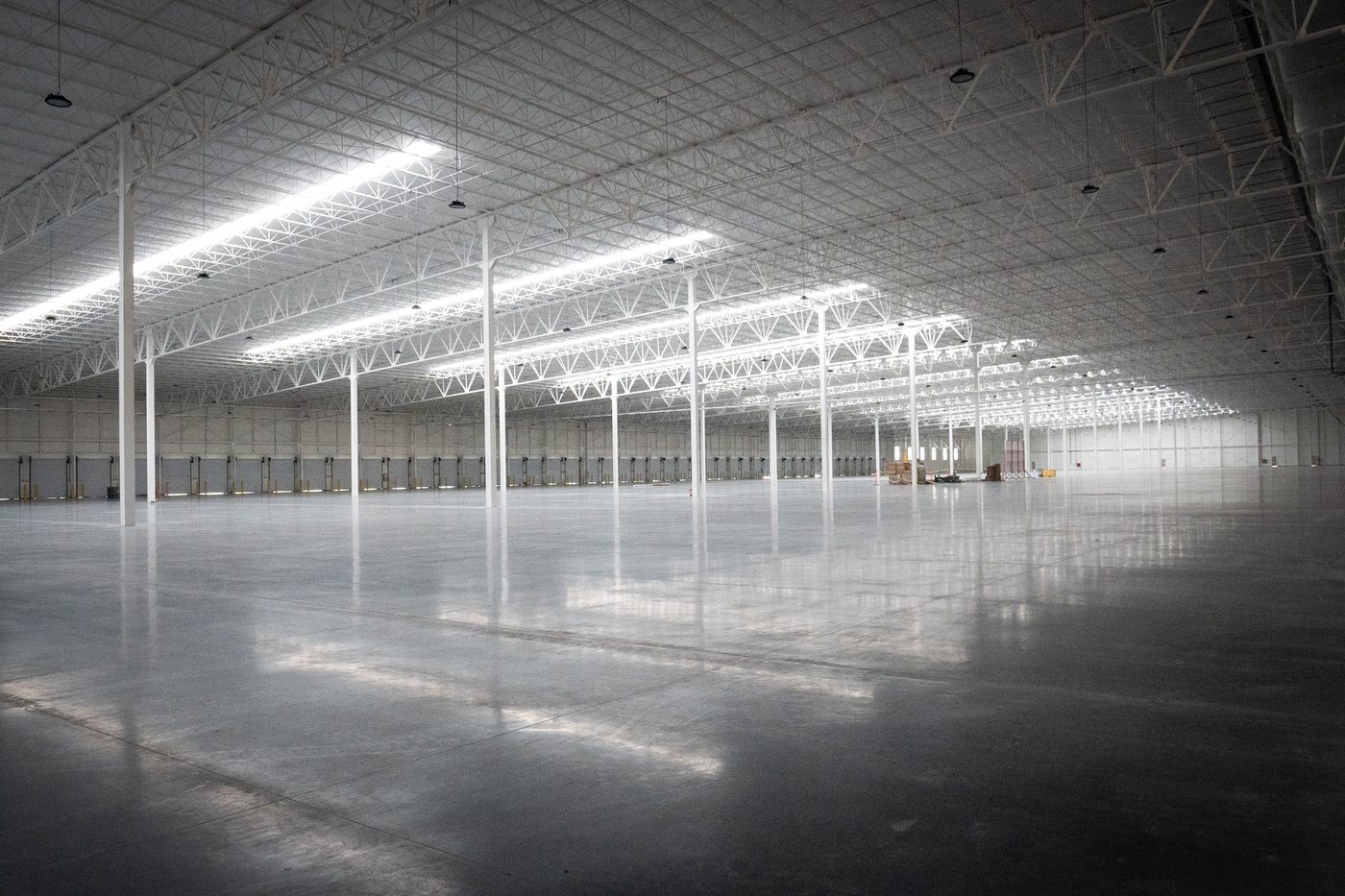
Concrete floors for industrial buildings
The quality of concrete floors is a decisive factor in the operation of an industrial building. Their flatness, levelness, strength and proper joint treatment affect the movement of goods, equipment traffic and maintenance requirements. That is why their construction must start from technical planning that considers the operational needs of the facility and the specifications of each project.
Quality starts before the pour
A high-performance industrial floor requires proper preparation of the subgrade, verifying its levelness, compaction and bearing capacity. It is also necessary to define the thickness and strength of the concrete, the type of reinforcement, the finishes and the location of control and expansion joints. Anticipating these variables makes it possible to coordinate materials, equipment, crews and concrete supply, reducing risks during execution.
Flatness and levelness: key factors for operations
Flatness and levelness are two essential parameters in concrete floors for industrial buildings. Flatness relates to surface variations over short distances, while levelness considers deviations from the reference plane. Both affect forklift travel, equipment performance and the operation of logistics facilities.
At Constructora GRCC, our procedures take as a reference a flatness standard of FF 45 and a levelness of FL 35, classified as Very Flat in accordance with ACI 117-10. Verifying these values with the ASTM E1155 method requires specialized measurement.
Quality control during concrete placement
Floor precision depends on controlled execution. The process includes checking levels and formwork, inspecting equipment, placing the concrete uniformly and leveling it with specialized equipment such as laser screeds. Floating and troweling must then be carried out according to the concrete's setting stage and the project requirements.
Coordination between supervision, surveying and field crews is essential to keep the surface uniform and meet the specified tolerances.
Curing and joints: essential elements for durability
Curing allows the concrete to properly develop its hardening properties by maintaining appropriate moisture and temperature conditions. Likewise, timely sawing of control joints helps reduce the spread of cracks associated with concrete shrinkage.
Once the specified treatment period has passed, joints must be cleaned and sealed with materials suited to their function and to operating conditions. Control, construction and expansion joints require different solutions depending on the expected movements and loads.
An industrial floor designed for the needs of the project
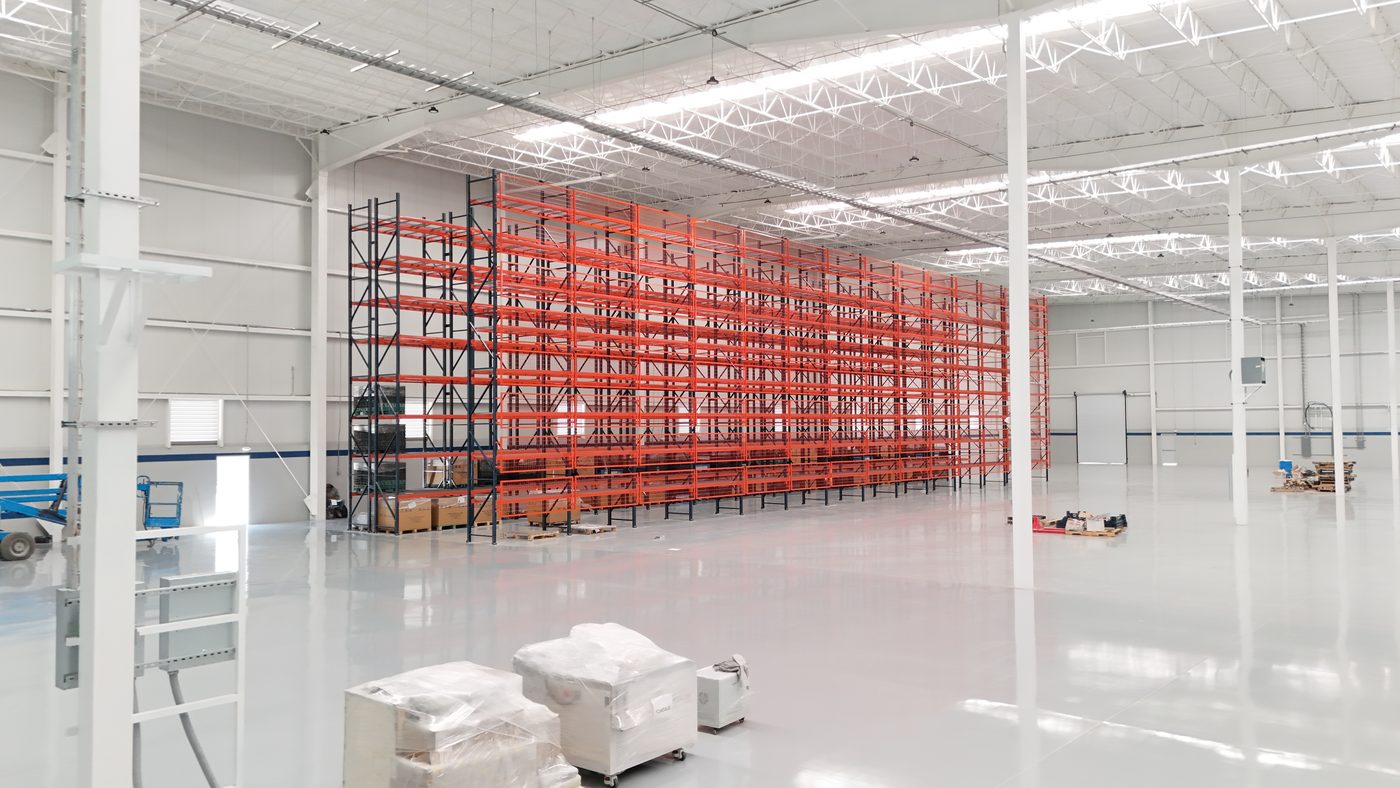
Industrial building interior
Investing in floor quality control from the design stage helps reduce operational risks, maintenance needs and repair costs.
At Constructora GRCC we integrate planning, engineering, supervision and execution to develop industrial projects under technical criteria and quality standards defined for each job. Our comprehensive construction approach aims to deliver industrial buildings ready to meet each client's operational demands.
Back to news Client contact